Category

Asset Protection Planning

What Happens to Jointly Owned Stock After a Spouse Dies?

By Asset Protection Planning, Estate Planning, Probate

In Florida, selling jointly owned stock is different than selling another jointly owned asset.

If you and your spouse owned the stock jointly and with the right of survivorship, then when your spouse passes away you automatically become the sole owner of said stock. This means that you are free to do whatever you want with it, whether you would prefer to keep, sell or trade it. As far as taxes are concerned, half of the investment’s tax basis is increased when the first spouse passes away. This means that, if you choose to sell the stock, the capital gains or losses on your half of the investment will be based on what the stock was valued at when you first purchased it. Your spouse’s half, however, will be based on the value of the stock at the time that he or she passed.

What is Unclaimed Property and how do I Claim it?

By Asset Protection Planning

Unclaimed property is the money in accounts at financial companies that has had no activity for over a year. This can include money in bank accounts, refunds, payroll checks, trust distributions, stocks and dividends. The purpose of unclaimed property laws is to protect individuals by ensuring that their money is returned to them, rather than permanently remaining in accounts at financial institutions or companies. Every state has an unclaimed property website and office. You can recover unclaimed property by following the instructions on Florida’s unclaimed properties website (https://www.fltreasurehunt.org/) and filling out the proper forms.

What You Need to Know About a Living Trust

By Asset Protection Planning, Estate Planning

A living trust is a legal entity that you create with rules and conditions that apply to any assets owned by the trust. This type of trust is in operation during the lifetime of the person who establishes it and can resemble a Will in that it expresses your wishes in regards to matters such as your assets, your dependents and your heirs after death. A living trust is different than a Will because a Will only becomes effective after you die and it has been entered into probate. Living trusts are popular because they allow individuals to bypass probate, which can be a costly and time-consuming process. With a living trust, you appoint a successor trustee to transfer assets to the beneficiaries. In some circumstances, this process can take only a few weeks, while probate has the potential to last for months. Additionally, individuals concerned with privacy generally prefer a living trust, as probate records are filed in the court records and available for public inspection.


If you have further inquiries regarding living trusts or other forms of Estate Planning documents, contact our office at: 941-906-1231 to schedule an appointment with an attorney.

What Does Losing a Spouse Mean Financially?

By Asset Protection Planning, Estate Planning

Losing a spouse is, undoubtedly, one of the most devastating experiences a person can face and is difficult to even contemplate. However, it is important to consider and plan for the financial implications of a spouse passing before that day arrives. Then, when that unfortunate time comes, your sole focus can be on grieving and healing rather than facing financial turmoil or stress.

The first step you can take when approaching this matter is to speak with your spouse and ensure that both of you understand what assets you have (as a couple and individually), as well as where they are located. It is also important to discuss whether or not there are life insurance policies in place, who you will each be naming as survivor beneficiaries, and whether or not either of you has a pension or retirement plan. This helps to provide you both with an understanding of what you have individually, what you have as a couple, and what each of you will have when the other passes.

The next step is to gather important documents and put them all in a secure, memorable location that you will be have easy access to if needed (ex: a locked filing cabinet in your home or a safety deposit box). Documents you may need include: each spouse’s Will and a list of assets, all insurance policies, social security numbers, your marriage certificate, your children’s birth certificates, titles on vehicles as well as properties, and any relevant Estate Planning documents.

If you need assistance with the creation and development of Estate Planning documents or if you have questions, the skilled attorneys at Bach & Jacobs are experienced in Estate Planning. For help regarding these matters, contact our office at 941- 906-1231 to schedule an appointment with one of our attorneys.

What Is The “Florida Fiduciary Access to Digital Assets Act” and Why Is It Important In Today’s World?

By Asset Protection Planning, Estate Planning

In March of 2016, Florida adopted a new law, entitled the “Florida Fiduciary Access to Digital Assets Act”. This law went into effect in July of 2016 and contains rules regarding the management and disbursement of digital assets by a fiduciary upon the death of an individual. This gives individuals the ability to specify what it is that they want to do with their digital assets, which simplifies the process of Estate Planning. The overarching goal of the “Florida Fiduciary Access to Digital Assets Act” is to give people the power to plan for the management of their digital assets if they die or become incapacitated. It accomplishes this goal by authorizing fiduciaries to either access, control, copy or delete an individual’s digital assets after their passing, according to the wishes set forth by said individual. The “Florida Fiduciary Access to Digital Assets Act” also gives the custodians of digital assets the authority to communicate and interact with the fiduciaries of their users without breaching any privacy expectations. Before this law was introduced, Florida did not have any legislation that specifically addressed the access of digital assets by a fiduciary upon an individual’s death or incapacity.

What Are Digital Assets And Why Are They Important?

By Asset Protection Planning

A digital asset is content owned by a person that is stored in digital form. Generally, digital assets relate to data or information that is stored on a device such as a smart phone or computer. Types of digital assets include, but are not limited to: photographs, presentations, spreadsheets, word documents, email, online banking, credit cards, or social media accounts. Digital assets are just as important as physical assets because they have financial and/or personal value to their owners. It is important to address the conveyance of your digital assets, which can be done in your Will. The attorneys at Bach & Jacobs specialize in Estate Planning and can help you develop a Durable Power of Attorney and a Will that not only address who will have access to your digital assets, but also clearly express your wishes for the transfer of your various assets when you pass away.

If you would like more information or have questions regarding asset protection or estate planning, please contact our office at: (941) 906-1231.

Probate Court Series: Can I Avoid Probate?

By Asset Protection Planning, Estate Planning, Probate

Probate proceedings can be very time consuming, make assets inaccessible for months, and involve the filing of documents and information in court that you may want to keep private. There are also legal fees involved in a probate proceeding that may be minimized or eliminated by alternatives to transfer assets after death.

If you have further questions or would like to talk about options for transferring assets outside of probate, contact our office at (941) 906-1231 to schedule an appointment with one of our attorneys.
Losing Capacity

By Asset Protection Planning, Estate Planning, Guardianship

It is important that while competent you decide who will make personal decisions and who will make financial decisions on your behalf should you lose capacity. Consulting with an attorney regarding your choice of agent or fiduciary will help ensure that your wishes are followed. If a person has not made these decisions and consulted with an attorney, a legal guardianship proceeding may be commenced to appoint an individual who will make decisions on a person’s behalf if the person is incapacitated.

For help regarding these matters, contact our office at (941) 906-1231 to schedule an appointment with one of our attorneys.
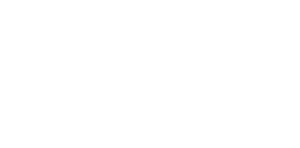
Babette Bach to speak at the Friendship Center on: “How Would A Disability Upset Your Retirement Financial Planning?”

By Asset Protection Planning, Firm News

Babette Bach will be speaking at the Friendship Center, 1888 Brother Geenen Way, event at 2:00pm on Wednesday, May 17th, 2017.  The topic is “How Would A Disability Upset Your Retirement Financial Planning?”. In this hour long program Babette will discuss the necessity to plan for disability and guardianship avoidance. Additionally, she will discuss recent legislation regarding living wills and trends in other states towards compassion choice. For more information on this event, please go to: www.friendshipcenterforagingstudies.org. and click the following link to see the flyer for this event: fcas-may-2017-bach-wright

Estate Planning for Same-Sex Couples in Florida: Tax Filing

By Asset Protection Planning, Estate Planning, Tax Law

Because same-sex married couples are now federally recognized, they can file joint tax returns. The  IRS also recognizes federal tax provisions which include income tax credit, child tax credit, and employee benefits.

Spousal exclusion now applies to same-sex couples, which permits partners to leave property to the surviving spouse without having to pay estate taxes when the first spouse passes away.

The 2015 ruling, Obergefell v. Hodges, also made amends to states’ intestacy statutes. Now if a same-sex spouse dies without making a will, the surviving same-sex spouse will inherit some of the assets of the deceased spouse and receive other benefits formerly only available to heterosexual couples such as homestead protection.