
Category

Health

How to Prevent Falls

By Health

As we get older, our physical and mental faculties begin to decline. This is perfectly normal and does not affect everyone in a heavily detrimental manner, but it does increase the risk of falling. Falls can be quite dangerous and put any person at risk of serious injury, but this is especially true when it comes to elder Americans. To help elderly individuals avoid falls, we have developed a list of fall prevention tips.


  1. Make An Appointment With Your Doctor

Whether or not you have fallen before, it is advisable to make an appointment with your doctor to discuss whether any medications you are on or are about to start taking have been known to have adverse side-affects such as dizziness or fainting. You can also discuss with your Doctor whether any health conditions you may be afflicted with increase the likely hood of a fall (ex: an eye or ear disorder may throw off balance).


  1. Participate In Physical Activity (At Any Level You Are Comfortable With)

Physical activities such as walking, water aerobics, biking or yoga can increase your balance and coordination, while also strengthening your muscles. Additionally, participating in activities such as these allows you to maintain a high level of activity, which will make everyday tasks easier.


  1. Wear Comfortable Shoes

Consider changing your footwear and gearing your wardrobe towards casual outfits that involve wearing tennis shoes or other secure footwear. High heels, flip flops and shoes with thin or slick soles can be uncomfortable and greatly increase the risk of a fall.


  1. Complete A Safety Check In Your Home

As most falls occur in an individual’s own residence, completing a safety check and “fall-proofing” your home can go a long way in regard to fall prevention. Start by checking for loose or missing handrails on any staircases and make sure to get them fixed. Additionally, make sure all rugs in your home are secured to the floor and won’t slide or curl up. In your bathroom, implement non-slip strips in the tub or shower, mount grab bars on the walls and install adjustable height shower heads.

Virtual Reality Lets Younger Individuals Experience What It Is Like to Be 74

By Health

Embodied Labs, a company that develops virtual reality labs for healthcare training, has created a virtual reality program entitled “We Are Alfred” that allows young medical students to feel what it is like to be an elderly individual who is experiencing macular degeneration and hearing loss. Perhaps this will be able to bring higher levels of empathy to the field of healthcare and will facilitate the creation of positive relationships between younger medical professionals and their elderly patients.

This program utilizes a virtual reality headset, along with headphones and a hand-tracking device to engage users in a live action story from the perspective of a 74 year old man named Alfred. The “We Are Alfred” lab consists of six different scenes, each approximately seven minutes in length, that demonstrate Alfred’s experiences. The same company that developed this lab is also in the process of creating “The Betty Lab”, which will arrive in September of 2017 and highlight formative experiences of a woman afflicted with Alzheimer’s disease.

While the population of individuals over 64 is steadily increasing, the average medical student is only 24 years old. The team at Embodied Labs that is continuing to create these types of programs is striving to bridge this age gap and make it more likely that younger medical professionals will be able to empathize with older patients and deliver care that caters more to their needs.

Can Alzheimer’s be Prevented?

By Health

Alzheimer’s is a devastating terminal illness that occurs due to generalized degeneration of the brain and that has the ability to severely impair an individual’s mental as well as physical faculties. A cure for Alzheimer’s has not yet been discovered, but many health professionals have turned their focus towards lifestyle changes that may prevent Alzheimer’s from ever afflicting individuals’ in the first place. On that note, here are several tips regarding changes that you or a loved one can make that may prevent Alzheimer’s disease.


  1. Participate In Physical Activities.

Exercising regularly can be a beneficial strategy if you want to lower your risk of developing Alzheimer’s. Exercise has the potential to positively affect brain cells by increasing blood and oxygen flow to the brain. Additionally, exercise has cardiovascular benefits and, as several conditions known to increase the risk of cardiovascular disease also increase the risk of developing Alzheimer’s, having a healthier heart may also lead to avoidance of Alzheimer’s.


  1. Consume Healthy Foods

Studies have demonstrated that heart-healthy eating can help protect the brain and reduce the risk of one getting Alzheimer’s disease. Following a dietary regimen that includes limiting intake of saturated fats and sugars while also eating larger amounts of fruits, vegetables and whole grains is a good way to stay healthy.


  1. Maintain Strong Social Connections

Whether it’s choosing to spend more time with children and grandchildren or going out weekly with close friends, studies have shown that maintaining social connections and being mentally active can reduce the risk of Alzheimer’s. Social and mental stimulation fortify the connections between nerve cells in the brain, which may be the reason that a healthy amount of social interactions can prevent the development of Alzheimer’s.


  1. Get Lots of Sleep

New studies have emphasized that long-term sleep issues or disrupted sleep may be a risk factor for Alzheimer’s. Numerous studies have linked poor sleep to higher levels of beta-amyloid, a brain clogging protein that interferes with the deep sleep necessary for memory formation. Studies have also demonstrated that uninterrupted sleep is important because it allows for the flushing out of brain toxins.


  1. Keep Stress Levels Low

Chronic, persistent stress can have a strong, negative impact on the brain and can even lead to shrinkage in an area of the brain that is key when it comes to memory. This alone increases the risk for Alzheimer’s, but stress can also be detrimental to nerve cell growth, which only furthers the likelihood that an individual will develop this. If you find yourself stressed-out often, try to participate in activities that relax you and will alleviate some of your stress. Examples of relaxing activities to participate in are: meditation, reading a favorite book, going for a walk, taking a hot bath, getting a massage, writing down daily thoughts in a journal, listening to soothing music and taking a nap.


  1. Prevent Head Trauma

Researchers and medical professionals have suggested that there is a strong positive correlation between risk of Alzheimer’s and serious head trauma. Although you may not think you will ever be exposed to head trauma, it can be caused by fairly normal occurrences such as falls or car accidents. You can reduce your risk of head trauma by “fall-proofing” your home, being aware of your surroundings, wearing your seatbelt anytime you get in a car and using a helmet if you plan on participating in sports or any physical activity that may require head protection.

How to Discuss Driving with an Elderly Loved One

By Health

Discussing safe driving, or a lack there-of, with an elderly loved one can be a difficult task to navigate. However, if you are concerned about a senior citizen in your life and believe that their driving is starting to become unsafe, you should address this issue in a prompt, open manner.

To approach the subject in an effective style, you should outline what you are going to say before speaking with them. Try to put yourself in the mindset of the older individual. As you age, you start to lose an increasing number of mental and physical abilities, which increases your desire to maintain control over the ones you are left with. For an elderly individual, not being able to drive could equate to losing their freedom. Be gentle when you have this conversation and be certain to take their feelings into account.

When the time comes for this discussion, ease into it rather than bombarding them with a flood of dialogue all at once. If your loved one feels overwhelmed by what you are saying, they are more likely to become defensive and less likely listen to your ideas with an open mind.

Additionally, learn how to rebut objections in a sensitive manner. More than likely, your loved one will spout-off a myriad of reasons why they cannot stop driving. Allow them to openly discuss and talk-through their concerns without immediately offering solutions. This gives you, as well as the loved one you are speaking with, the chance to think through different scenarios and come up with a more comprehensive, well-thought-out solution that meets everyone’s needs. It also keeps them from becoming more defensive and getting in the mind-set that you are trying to irrevocably alter their world.

Finally, be patient. Don’t expect your loved one to come around right away or get angry with them when they object to what you say. Calmly discussing the subject in a kind manner will make them more receptive to what you are saying and will help you navigate this difficult conversation with the least amount of turbulence possible.

How Pets Can Help Alzheimer’s Patients

By Health

While pets bring companionship, fun and love into any individual’s life, they can be extremely beneficial to a person battling Alzheimer’s disease. The presence of a pet can help reduce anxiety, agitation, irritability, depression and loneliness in an Alzheimer’s patient, while also helping them become more socially interactive. Pets such as dogs can also increase the motivation for an Alzheimer’s patient to exercise, as dogs need to be walked and taken-out regularly. Additionally, if Alzheimer’s is fairly advanced in an individual, a service animal can be very beneficial and can help them complete everyday tasks that they would be unable to perform on their own. Additionally, pets have been linked to health benefits such as lowering blood pressure, reducing heart rate, decreasing levels of cortisol (the stress-hormone), and boosting level of serotonin (the mood-boosting hormone).

The Impact of Elder Abuse on Long-Term Health

By Health

A 2017 study supported by the World Health Organization estimates that, over the past year, 15.7% of people age 60 or over have been subject to some form of abuse. As elder abuse is one of the most underreported crimes, this is likely to be an underestimation. This study was published by Lancet Global Health, and it addresses not only the incidence of elder abuse across the world, but also suggests that elder abuse has long-term health effects. This study determined that the highest rate of elder abuse is psychological abuse and noted that this form of abuse can have especially negative health consequences. When a senior citizen’s psychological health is damaged, it can lead to increased risk of nursing home placement, hospital services, use of emergency services and even death. Although all forms of elder abuse can have a negative effect on victims’ health, this study suggests that psychological abuse may be the most internally damaging. It is of paramount importance that awareness is raised regarding the prevalence of elder abuse in our society and that people learn enough information about elder abuse to be able to identify and stop it.

Cyber Safety Tips for Seniors: Part 1

By Health

According to a survey by the Pew Research Center, almost 60% of Americans over 65 were internet users as of 2014. As our world continues to advance in terms of technology, more individuals are entering the online world and have begun completing more of their daily activities via a computer or smartphone. If used safely and correctly, the internet can be a very beneficial tool. However, if you aren’t careful, other individuals online may try to take advantage of you.

Here are some tips to help senior citizens use the internet in a safe and efficient manner:

  • Use a strong and unique password on all of your accounts that you never share with anyone
  • Put password locks on your phone, computer and any other electronic device you may possess
  • Be careful what you post online and make sure not to share too much personal information on social media
  • Use privacy settings on social media sites such as Twitter, Facebook and Instagram
  • Be on the lookout for scams: if an offer, email, or message seems at all questionable then delete it immediately

Only shop online at reputable websites

Florida is a Mandatory Report State for Elder Abuse

By Elder Law, Health

Florida law requires that knowledge or suspicion of abuse, neglect, or exploitation of vulnerable adults (whether elderly or disabled) be reported. The issue of Elder Abuse is taken seriously here in Florida, where we have a high population of senior citizens. If you suspect or know of any elder abuse that is occurring, you should report it immediately to the Florida Abuse Hotline, which receives reports 24 hours a day. You can also call 1-800-962-2873 or visit https://reportabuse.com.dcf.state.fl.us and file a report online. Elder abuse is one of the most underreported crimes and, because of this, only about 800 people have been charged with elder abuse and neglect in Florida over the last five years. Of these, approximately 370 have been convicted. It is everyone’s responsibility to help end Elder Abuse and to make our world a safer place for the Senior Citizens in our lives.

Now Available – Neuro Challenge 2018 Resource Guide

By Health

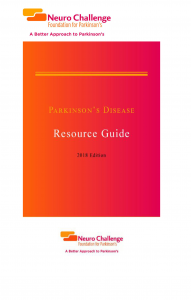
2018 Resource Guide Now Available!

The 2018 Parkinson’s Disease Resource Guide is available for download on our website: www.neurochallenge.org.

You can also request that a copy be mailed to you or a loved one by calling 941-926-6413.

The 2018 Guide provides education and information for the person with Parkinson’s, as well as the caregiver. The Guide, written by NCF’s Medical Advisory Committee, PD experts and NCF Staff, covers topics including medical treatment, non-motor aspects of Parkinson’s and practical tips on how to live well with PD today.

The 2018 Parkinson’s Disease Resource Guide is presented to you at no cost thanks to the Community Foundation of Sarasota County and The Michael Saunders and Company Foundation.

World Alzheimer’s Day

By Health

Today is World Alzheimer’s Day, and we want to raise awareness regarding this multifaceted disease. Alzheimer’s disease is a progressive and irreversible disorder in which a person’s brain cells deteriorate over time. Alzheimer’s usually occurs in individuals over 65, although younger-onset Alzheimer’s can appear in an individual as young as 30. Approximately 1 in 8 people that are 65 or older have Alzheimer’s disease. Alzheimer’s can cause memory loss, coordination issues, mood swings, disorientation, trouble focusing and a decline in reasoning skills. Alzheimer’s is ultimately a terminal illness, but it progresses at different rates in different individuals. This means that a person who is diagnosed with Alzheimer’s can live anywhere from several years to several decades. Although this condition cannot be cured, treatment can help alleviate its symptoms and slow its progression. If a loved one starts showing possible signs of Alzheimer’s, the best option is to take them to see a doctor immediately and get the condition treated. The best way to fight Alzheimer’s is to be aware of its signs and to realize quickly if a loved one is experiencing symptoms. The earlier Alzheimer’s is found, the easier it is to treat and the smaller the likelihood that it will progress rapidly.